
From the OR to the End Zone: What Peyton Manning’s Spine Surgery Can Teach Us This Thanksgiving
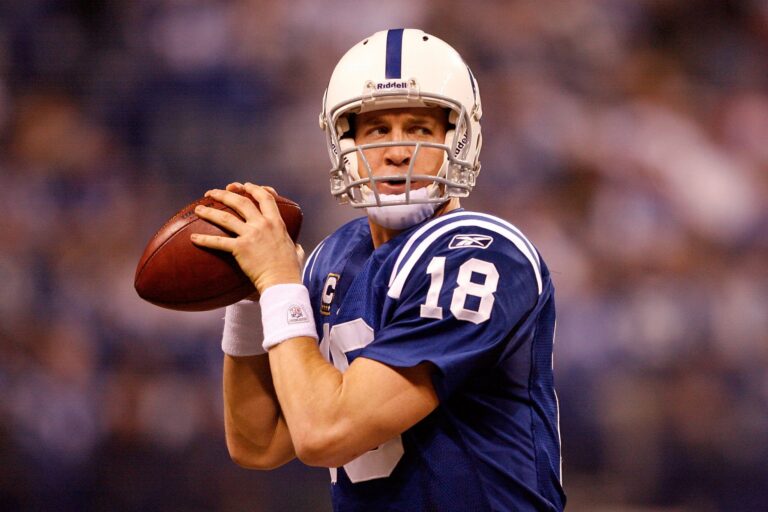
Every Thanksgiving, millions of Americans gather around the table, and the TV, to enjoy food, family, and football. For many, the day wouldn’t feel complete without a little NFL action in the background.
And when you think about football legends, Peyton Manning is one of the first names that comes to mind. But few people realize that one of the greatest quarterbacks of all time almost didn’t return to the game; all because of his spine.
Peyton Manning’s Surgery: A Comeback Story
In 2011, Peyton Manning underwent anterior cervical discectomy and fusion (ACDF), a procedure to treat a damaged disc in his neck that was pressing on his spinal cord and nerves.
Before surgery, he had lost strength in his throwing arm. He couldn’t grip a football, let alone throw it with his signature precision. Some believed his career was over.
But with a skilled surgical team, extensive rehabilitation, and sheer determination, Manning made one of the most remarkable comebacks in sports history, returning to the NFL and leading the Denver Broncos to a Super Bowl win before retiring in 2016.
Why This Matters Beyond Football
Peyton’s story is about more than just sports. It’s about family, resilience, and smart medical decisions, all values that resonate during the Thanksgiving season.
Whether you’re an NFL MVP or a parent who wants to pick up your grandkids without pain, spine health impacts your everyday life.
Here’s what we can all take from Manning’s spine journey this holiday season:
Don’t Ignore Spine Symptoms
Manning experienced weakness, numbness, and loss of function, classic signs of nerve compression due to a cervical disc issue.
Common warning signs to watch for:
- Persistent neck or back pain
- Radiating arm or leg pain
- Numbness or tingling in hands or feet
- Loss of grip strength or coordination
If you notice these signs, don’t wait until after the holidays. Early diagnosis can mean better outcomes, and in some cases, avoiding surgery altogether. At Spine Medicine and Surgery of New Jersey, we’re here to help!
Recovery Takes Time — and Support
Manning didn’t just bounce back overnight; his recovery involved consistent rehab and physical therapy, plenty of rest with a gradual return to activity, and staying mentally focused while being supported by his family.
Likewise, anyone recovering from spine surgery or managing chronic back pain needs a team, including doctors, therapists, and loved ones. Thanksgiving is a great time to acknowledge those who help us heal.
Be Present This Thanksgiving — Without the Pain
Manning fought to get back to what he loved, the game. For many of us, what we love most is spending quality time with family, especially around the holidays. But chronic back or neck pain can steal those moments, making you avoid travel, skip the family football game, or struggle to sit comfortably during dinner.
This Thanksgiving, take a cue from Peyton: address your spine health now, so you can be fully present for the moments that matter. Dr. Daniel Choi, our board-certified orthopaedic spine surgeon, can get you back to the things you love.
Your Comeback Starts Now
Peyton Manning’s story is proof that even serious spine conditions don’t have to end your story, with the right care, they can start a new chapter.
As you watch football and pass the stuffing this Thanksgiving, think about what your version of a comeback looks like. Whether it’s picking up your kids again, walking without pain, or just enjoying dinner without discomfort, your goals matter.
If neck or back pain is keeping you from your game, we’re here to help you get back in it.